How Long Does It Take to Build a Custom Home in Wichita, KS?
If you’re thinking about building a custom home in Wichita, one of the first questions you’ll ask is: how long is this going to take? It’s a fair question—and one that deserves a straight answer.
The honest truth: most custom home builds take 10 to 18 months from start to finish, depending on the size and complexity of the home, the builder you choose, and factors outside anyone’s control (weather, supply chains, permit timelines). That said, knowing what each phase looks like helps you plan smarter and set realistic expectations.
Here’s how it typically breaks down.
—
Phase 1: Pre-Construction (1–3 Months)
Before a single nail gets driven, there’s a lot of groundwork to lay. This phase includes:
- Selecting your lot – If you don’t already own land, this can add time. Sedgwick County and the Wichita metro area have plenty of lot options, but location affects permitting timelines and utility hookups.
- Finalizing your design and plans – Working with an architect or designer to nail down floor plans, elevations, and finishes.
- Permitting – The City of Wichita requires building permits before construction begins. Permit review can take 2–6 weeks depending on project complexity and current volume at the city office.
- Financing – Construction loans work differently than traditional mortgages. Getting your financing in order before breaking ground keeps things moving.
Pro tip: Don’t rush this phase. Changes made on paper are cheap. Changes made mid-build are expensive.
—
Phase 2: Site Prep and Foundation (2–4 Weeks)
Once permits are in hand, work begins on-site. This includes:
- Clearing and grading the lot
- Excavation for the foundation
- Pouring footings and foundation walls or slab
- Waterproofing and backfill
Kansas soil conditions vary across the Wichita area, so your builder should evaluate the site before finalizing the foundation type. Some areas require deeper footings or soil testing.
—
Phase 3: Framing (4–8 Weeks)
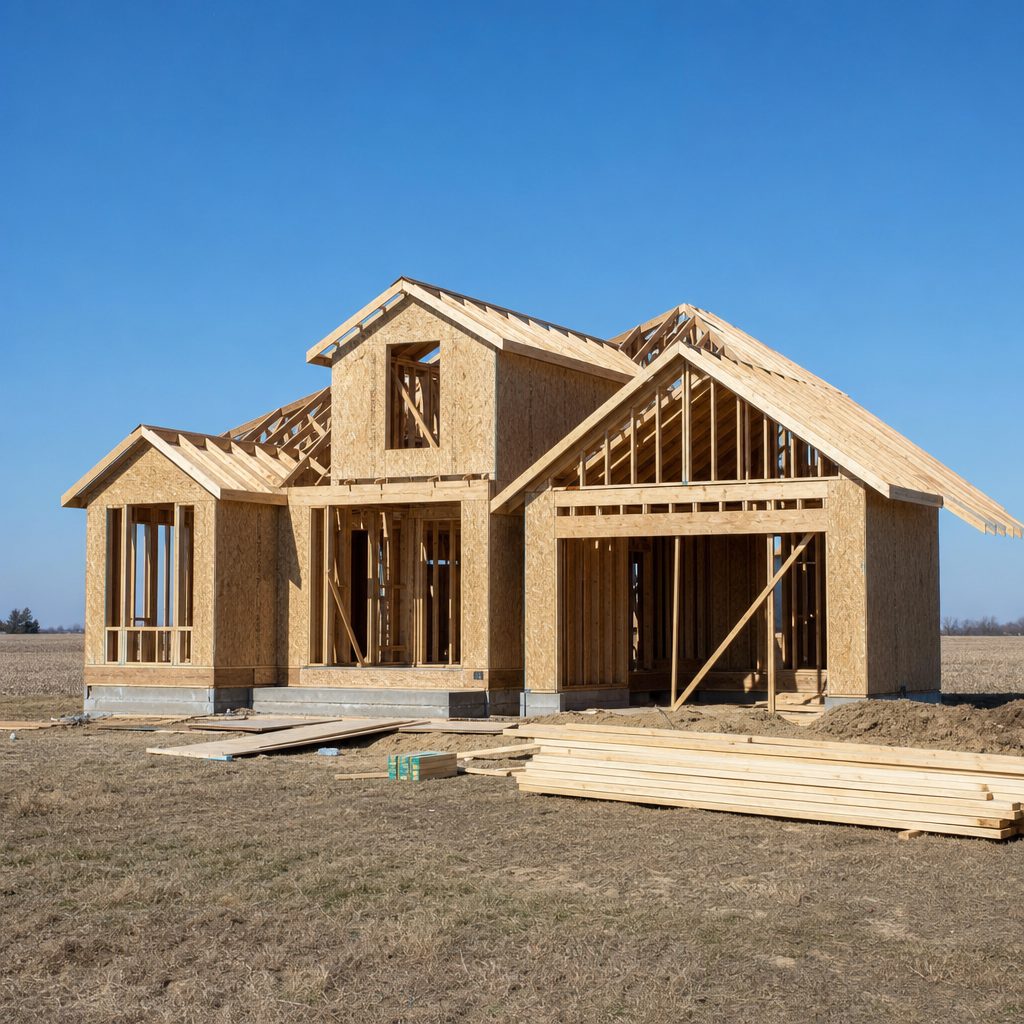
This is the phase where your home starts to look like a home. The framing crew builds out the structural skeleton—walls, floors, and roof system. By the end of framing, you’ll be able to walk through the layout and see your square footage come to life.
Weather is a real variable here. Kansas winters and spring storm seasons can cause delays. A builder who plans around the regional calendar will keep things on track better than one who doesn’t.
—
Phase 4: Rough-In Work (4–6 Weeks)
With the frame up, subcontractors move in to rough in the mechanical systems:
- Plumbing – supply lines and drain lines
- Electrical – panel, wiring, boxes
- HVAC – ductwork and unit rough-in
Each trade needs its own inspection before work can be covered up with drywall. Coordinating these inspections efficiently is one area where an experienced local contractor earns their fee.
—
Phase 5: Insulation and Drywall (2–4 Weeks)
Once rough-in inspections pass, insulation goes in and drywall follows. This phase moves quickly but requires patience—drywall mud needs time to dry between coats before painting can begin.
—
Phase 6: Interior Finishes (6–12 Weeks)
This is the longest finish phase and the one with the most decisions. It includes:
- Painting
- Flooring installation (hardwood, tile, carpet)
- Cabinet and countertop installation
- Trim, doors, and hardware
- Fixture installation (lighting, plumbing fixtures)
Lead times on custom cabinetry and specialty materials can run 8–12 weeks. Order these early—ideally during Phase 1—so they’re ready when the crew is.
—
Phase 7: Exterior Work and Landscaping (2–4 Weeks)
Siding, roofing, gutters, exterior paint, driveway, and basic landscaping typically wrap up during or after interior finishes. Final grading around the foundation is required before the city will issue a Certificate of Occupancy.
—
Phase 8: Final Inspections and Walkthrough (1–2 Weeks)
Before you get your keys, the city conducts final inspections. Your builder should also do a full punch list walkthrough with you to identify and correct anything that needs attention.
Once the Certificate of Occupancy is issued, the home is legally ready for move-in.
—
What Can Delay a Custom Home Build?
Even with the best planning, delays happen. Common culprits:
- Material shortages – Supply chains have stabilized post-COVID but still create occasional lead time surprises
- Subcontractor scheduling – Good subs are busy; book them early
- Change orders – Mid-build changes push timelines and budgets
- Weather – Kansas thunderstorm season and winter cold snaps are real factors
- Permit delays – Volume at the city office fluctuates
Working with a builder who has deep local relationships in the Wichita area—with subs, suppliers, and inspectors—is one of the best ways to minimize these delays.
—
Ready to Start Your Custom Home Build in Wichita?
At Wheatland Construction, we’ve helped homeowners across Wichita and the surrounding area navigate every phase of the custom home building process. We give you straight timelines, clear communication, and no surprises.
Contact us today to talk through your project and get a realistic timeline for your build.