
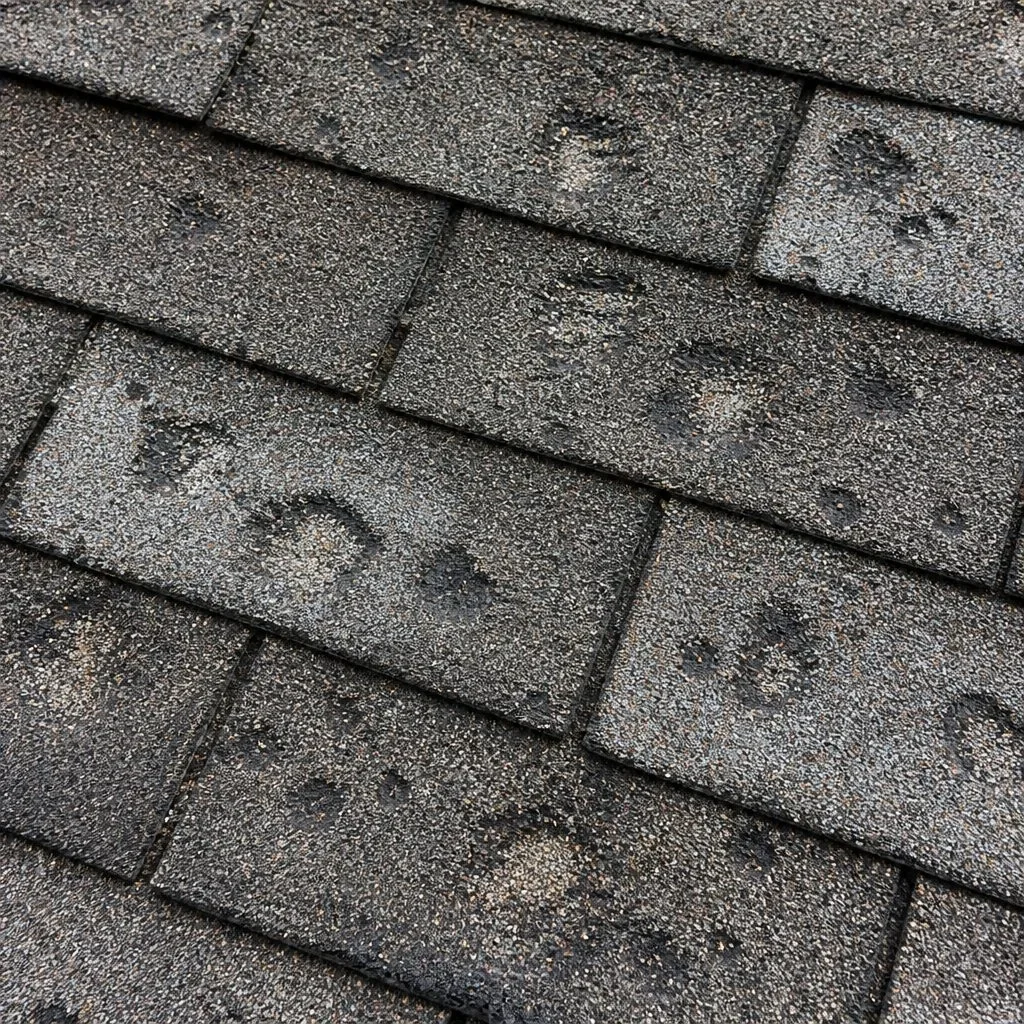
If you live in or around Wichita, your roof works harder than roofs almost anywhere else in the country. Between spring hailstorms, summer heat that can push shingle surfaces past 150°F, and winter freeze-thaw cycles, Kansas weather doesn't give roofing materials much of a break. That's why roof repair isn't just a once-in-a-while chore here — it's an ongoing part of homeownership.
This guide covers what actually causes roof damage in our area, how to tell the difference between a quick patch job and a problem that's about to get expensive, and what a legitimate roof repair process should look like from start to finish.
Why Wichita Roofs Take More Punishment
Kansas sits in one of the most hail-prone regions in the country, and Sedgwick County sees its share of severe spring and summer storms. Hail doesn't have to be golf-ball sized to cause real damage — even pea-to-marble-sized hail can bruise shingles, knock loose the protective granules, and create weak points that leak months later, long after the storm is forgotten.
Add in Wichita's wind. Gusts over 50-60 mph aren't rare here, and they're enough to lift shingle edges, loosen nails, and peel back flashing around chimneys and vents. Then winter brings freeze-thaw cycles that work water into any small crack or gap, expanding it a little more with every cold snap.
The result: roofs in our area often need attention sooner than the "20-25 year lifespan" you'll see quoted in generic articles. Local wear and tear is real, and catching it early is what keeps a repair a repair instead of a full replacement.
Signs You Need Roof Repair, Not Just a Look
Some damage is obvious — missing shingles after a windstorm, a visible hole, a leak dripping into your living room. But a lot of roof damage is quiet until it isn't. Watch for:
- Granules collecting in gutters or downspouts — this means shingles are breaking down faster than they should
- Curling or cupping shingle edges — a sign of heat damage or age that often starts at the roof's sunniest exposure
- Dark streaks or soft spots on interior ceilings — almost always a sign water is already getting through somewhere
- Visible light through the attic roof deck — check this on a sunny day from inside your attic
- Flashing that's lifted or separated around chimneys, skylights, or where the roof meets a wall
If you spot any of these, especially after a storm, it's worth getting a professional opinion before it becomes a bigger issue. A small, undetected leak can lead to rotted decking, mold, or insulation damage that costs far more to fix than the original roof problem.
What a Real Roof Repair Process Looks Like
A good repair starts with an honest inspection — not a sales pitch. That means someone getting on the roof (not just looking from the ground with binoculars), checking the attic from the inside, and giving you a clear picture of what's actually wrong versus what's cosmetic.
From there, repairs generally fall into a few categories:
Shingle replacement — swapping out damaged or missing shingles with matching material. This is the most common repair and, when done right, is nearly invisible once finished.
Flashing repair — resealing or replacing the metal flashing around roof penetrations like chimneys, vents, and skylights. Flashing failure is one of the most common causes of leaks that homeowners never suspect.
Decking repair — if water has been getting in for a while, the plywood or OSB decking underneath may be soft or rotted and needs to be replaced before new shingles go back on. Skipping this step is how "repairs" fail within a year.
Sealant and caulking touch-ups — smaller fixes around vent boots, pipe collars, and edge details that wear out faster than the shingles themselves.
A reputable contractor will also document damage with photos, which matters a lot if you're filing an insurance claim for storm damage — something very common in this area after a hail event.
Repair vs. Replacement: How to Know
Not every roof problem calls for a full tear-off. Generally, repair makes sense when damage is localized — a section after a storm, one area with a leak, isolated flashing issues. Replacement becomes the smarter call when:
- Damage is spread across most of the roof rather than one section
- The roof is already near the end of its expected lifespan
- You've needed multiple repairs in the past couple of years
- An inspection reveals widespread decking damage
A trustworthy contractor will tell you if repair is the right move even when replacement would be the bigger job for them — that's worth paying attention to when you're choosing who to work with.
Don't Wait on Storm Damage
If your home has been hit by hail or high wind, timing matters more than people realize. Most insurance policies have a window for filing claims, and damage that looks minor at first can worsen fast with the next rain. Getting an inspection soon after a storm — even if nothing looks obviously wrong — is one of the best things a Wichita homeowner can do to protect their roof and their wallet.
Get a Straight Answer on Your Roof
Whether you've spotted a leak, you're dealing with storm damage, or you just want a professional set of eyes on your roof before a small issue turns into a big one, Wheatland Construction has you covered. We work throughout Wichita and the surrounding communities, and we'll always tell you honestly whether you need a repair or something more. If it's been a while since your roof was inspected — or if you're not sure what that recent storm did to it — reach out and let's take a look.